

Why R9
Most lighting companies don't make lighting. They move boxes.
Most fixtures sold under American names were designed overseas by a factory that will never see your property. R9 designs in America — and engineers every site we light.

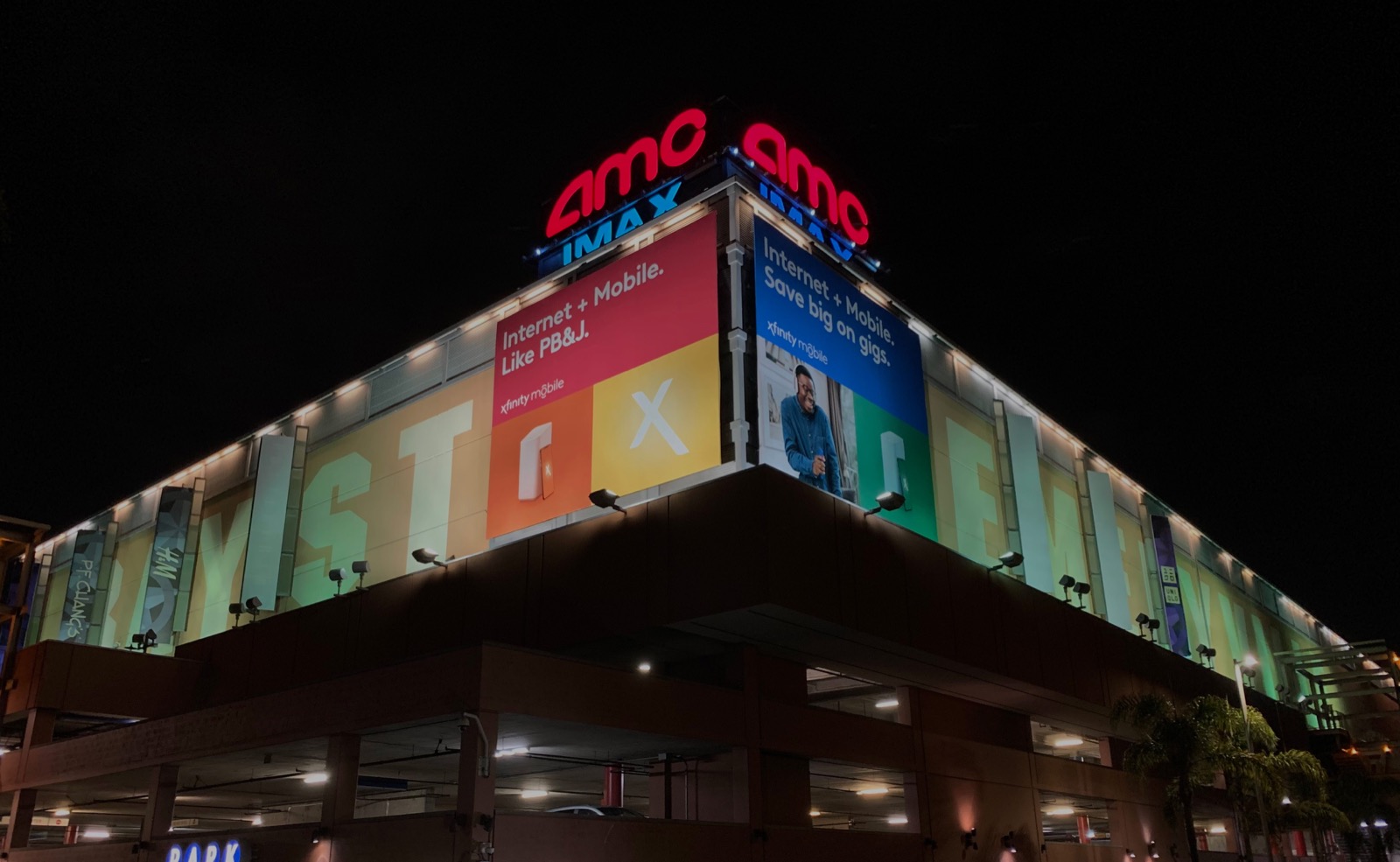
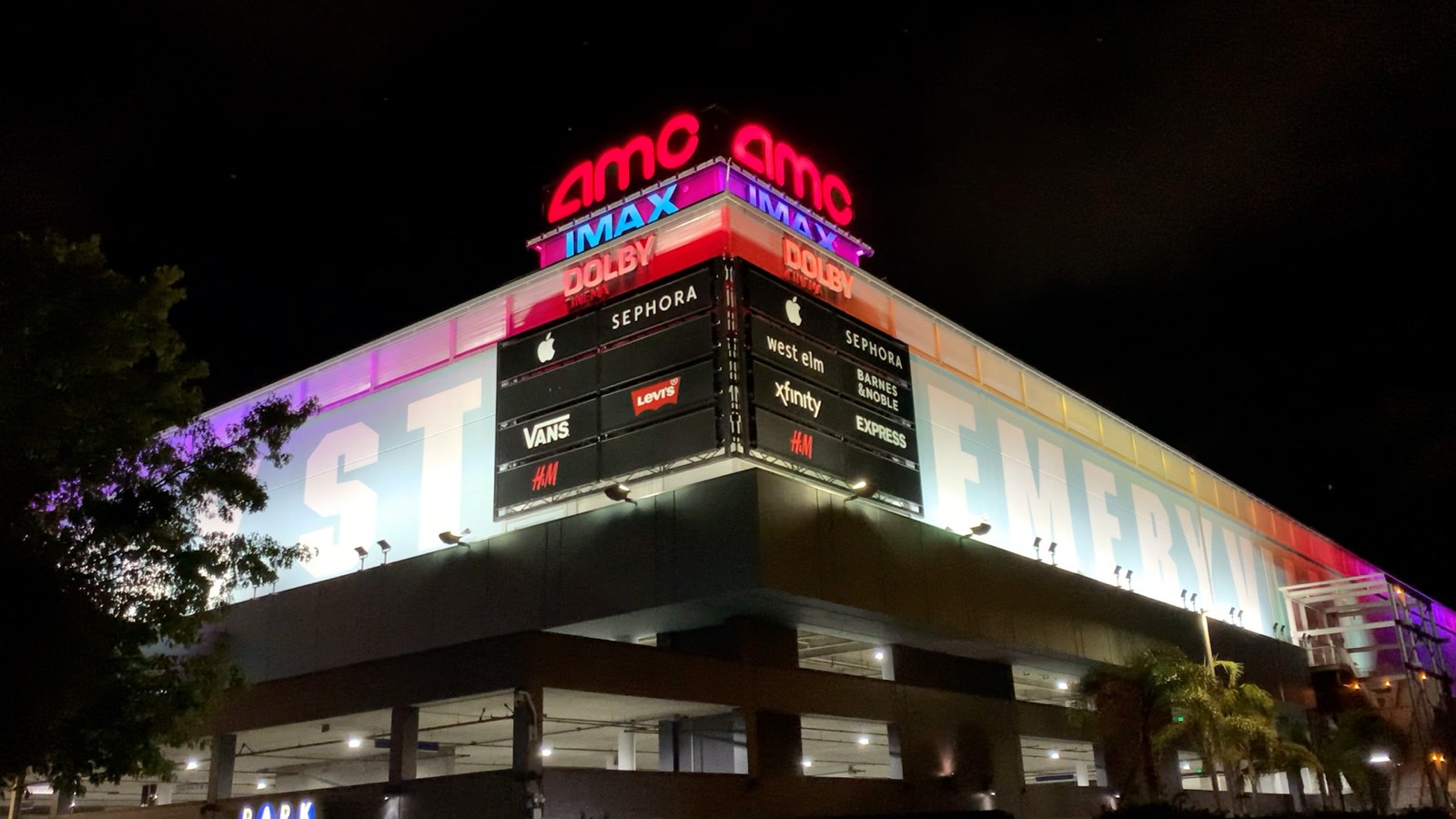
Actual site, before R9 — a beautiful property, ruined after dark. Hot spots under the poles, darkness in between: much of the lot below IES-recommended light levels, and a real insurance liability if someone gets hurt.
Usually, no one engineered it.
Walk any parking lot at night and you can see whether the lighting was engineered for the site. Often, it wasn’t. Fixtures were bought from a catalog and hung where the old ones were. The owner expected good results and relied on lighting professionals to deliver them — after all, owners aren’t out walking the lot at midnight. And the professionals? They were sure they knew what they were doing and did it at a price lower than anybody else. Neither ever realized the result was substandard. The brands sound established; the engineering never happened.
1 — Photometric design

Engineering is the difference.
What do we mean by engineering? It means selecting the correct optic for each fixture so it directs light exactly where it’s needed to minimize dark areas, sizing the power output so light levels are consistent — and balancing several other factors like these to deliver the best result the circumstances allow.
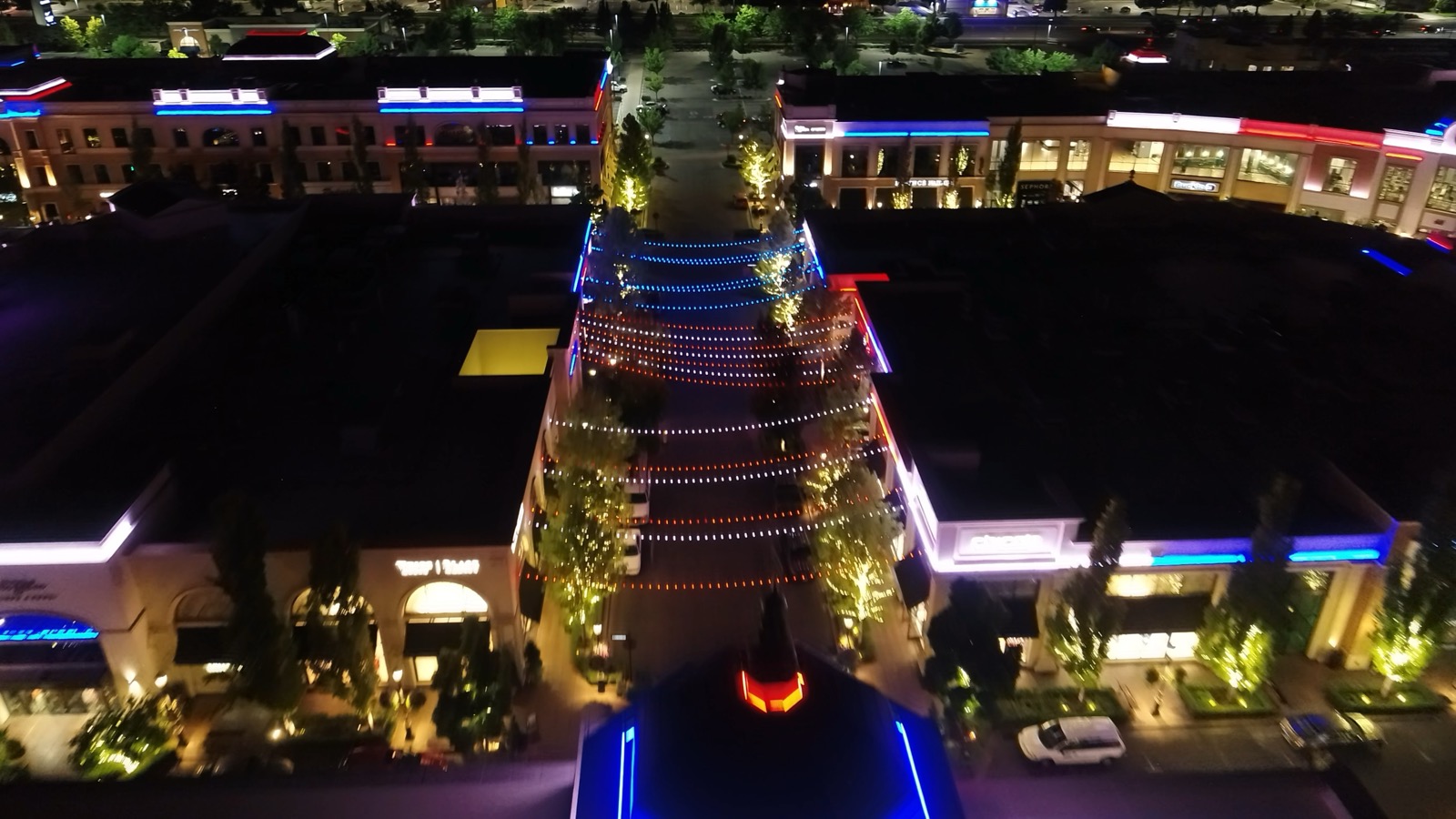
R9 starts every project with photometrics — using software, we are able to simulate how various lighting selections impact the result. After the necessary adjustments, we create a 3D rendering of the finished site. The process can easily take several days of work on larger sites. We focus on light levels and uniformity: no hot spots under poles, no dark areas between poles, and minimal glare. We design our own fixtures, tool our own optics, and prove the design before a single pole goes up. The rendering isn't a sales picture — it's a prediction. Then we build it, and it matches.
2 — 3D Rendering

3 — Built reality


 BeforeAfter
Yes — this entire site was already LED before we fixed it.
Done right costs less than done twice.
Much of our work today is replacing LED "upgrades" sold just a few years ago — first-generation retrofits that saved energy and ruined the light. The fixtures were real; the engineering wasn't. Done right the first time costs less than done twice.